Investors, lenders, and tax authorities often review the P&L statement to assess your business’s financial stability and risk profile. A profit and loss (P&L) statement, also known as an income statement, is a financial scoreboard that reveals how much money your online business is making (or losing) over a specific period. With a click and a tap, people can engage with your products or services and you have a broadened horizon of new customers to look forward to. Now, fast forward to today, and global online sales are on the verge of surpassing almost $7 trillion by 2025’s end. Choose cloud-based accounting software for easy access from anywhere and ensure your cloud provider backs up your data regularly.
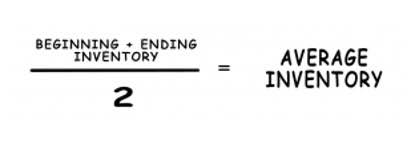
Check inventory levels
Let’s explore some of the key features and e-commerce bookkeeping benefits doola https://www.bookstime.com/articles/what-is-invoice-factoring has to offer. If you run a Shopify store and a customer places an order today but pays next week, the revenue won’t be recorded until the payment clears. Similarly, if you order $5K worth of inventory from a supplier but don’t pay for 30 days, the expense isn’t recorded until you make the payment. Ad spending, which is another operating activity, on platforms like Facebook, Google, and others, reveals how marketing investments drain your cash position. Similarly, vendor payments for inventory and fulfillment, also logged under operating activities, spotlight the cash tied up in stock and logistics. Together, these elements paint a clear picture of how your day-to-day operations affect your available capital.
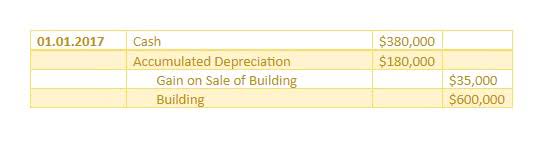
Establish a Regular Financial Reporting System
Cash-basis accounting records transactions only when cash physically changes hands. It’s simple, intuitive, and shows you exactly how much money your business has right now, making it easy to track day-to-day cash flow. So, without proper e-commerce bookkeeping strategies, online businesses risk losing sight of their profitability, misreporting taxes, and facing potential compliance issues.
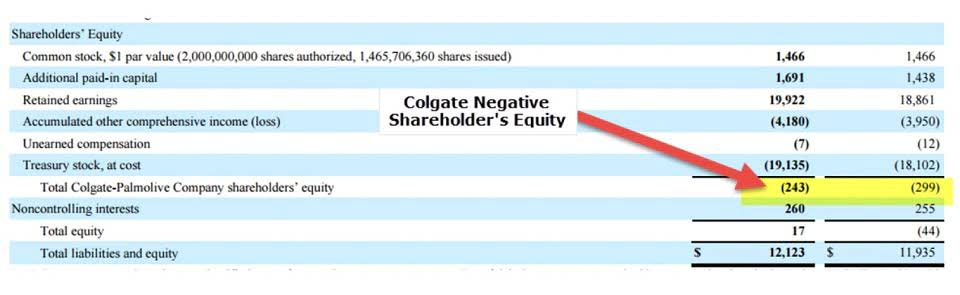
Benchmarking and Goal Setting
- With the right tools and processes, online retailers can streamline their financial management, ensuring they have the data needed to navigate the competitive ecommerce landscape.
- Analyze return patterns to identify potential issues with products or shipping processes.
- This practice helps in assessing product quality and customer satisfaction levels.
- These features enable businesses to gain a clear understanding of their financial health and make informed investment decisions.
This practice helps in assessing product quality and customer satisfaction levels. Try Shopify for free, and explore all the tools you need to start, run, and grow your business. Careful bookkeeping can help make sure you pay the correct amount when tax season rolls around. If you go with a digital bookkeeping system, select the software that best matches your business needs. There are hundreds of software options available at different prices and with varying features.
This is precisely where doola Bookkeeping takes the lead, transforming complex accounting into a seamless, automated process. It’s easy to track big-ticket expenses like inventory or software subscriptions. But smaller, frequent costs (e.g., shipping fees, payment processor charges, platform commissions) often slip through the cracks. For example, Shopify’s API might report a $1K batch, but your bank shows $920 after fees and holds. Good software reconciles this instantly, flagging discrepancies before they snowball into tax headaches.
- Regular analysis of P&L statements enables retailers to track performance against goals and make informed decisions about inventory, marketing, and expansion plans.
- Consider consulting with a tax professional familiar with ecommerce to ensure you’re maximizing deductions and complying with all relevant regulations.
- Many ecommerce platforms offer built-in inventory tracking features or integrate with specialized inventory management software.
- It keeps your finances organized, ensures you’re tax-compliant, and helps you make smarter business decisions.
- Investors, lenders, and tax authorities often review the P&L statement to assess your business’s financial stability and risk profile.
Trying to work on a huge backlog of transactions can leave a small business owner fatigued and prone to error. When business and personal funds are combined, it becomes confusing to know which expenses are for the business and which are personal. This can lead to errors, missed deductions, and a lack of clarity in your financial records. If you bookkeeping tips delay tracking, it becomes easy to overlook expenses or miss out on profits. Over time, small errors or missed details can add up, making it harder to see your real financial picture. Regular tracking allows you to spot trends, like seasonal changes in revenue and helps you understand your monthly cash flow.

Shopify
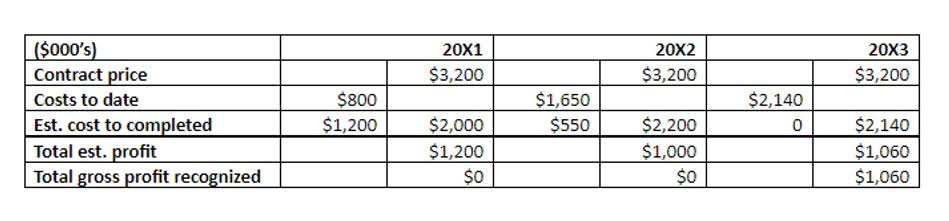
You might think of your company model as the blueprint for how you will make money. It delineates the products or services that you wish to provide, the target audience, and other critical information regarding the operations of your organization. Bookkeeping is the meticulous process of recording, organizing, and analyzing all financial transactions that occur within your online business in eCommerce. Consider it the foundation of your financial well-being, as it offers a precise and transparent representation of the origin and destination https://pay4exam.com/blog/2022/10/17/what-will-i-get-back-in-taxes-how-refunds-are/ of your funds. A company might aim to increase its gross profit margin by 5% within six months or reduce customer acquisition costs by 10% over a year.
- This prevents financial blind spots and helps you make data-backed decisions.
- This involves sorting transactions into appropriate accounts like revenue, cost of goods sold, marketing, and overhead costs.
- But getting e-commerce bookkeeping right is crucial for the long-term health of your business.
- If you want to get accurate financial reporting, you also need to manage your inventory to keep your cash flow straightened out.
- This makes retrieval easier and ensures you’re always prepared for tax season.
- This allows ecommerce business owners to focus on core operations while ensuring their financial records are accurate and up-to-date.
These tasks are high stakes—incorrect financial records or tax filings can lead to losses, fines, or litigation. By maintaining accurate and up-to-date bookkeeping, you can protect your business from these setbacks. When you reconcile, you compare your bank records with your accounting records to ensure that every transaction is accounted for.
- All eCommerce companies, no matter the size, need to be able to do their bookkeeping.
- That means revenue and expenses are logged at the point of sale or purchase, regardless of payment timing.
- Doola’s expert team ensures your books are accurate, organized, and tax-ready, no matter how far behind you are.
- This comprehensive process can assist you in maintaining financial organization.
- A cash flow statement is your real-money reality check, detailing the actual inflows and outflows of cash, not just accounting figures.
- This flexibility can provide a balanced view, though it may be more complex to manage.
Implementing effective ecommerce bookkeeping systems can seem daunting, but it’s a critical step for success in the digital marketplace. With the right tools and processes, online retailers can streamline their financial management, ensuring they have the data needed to navigate the competitive ecommerce landscape. Some of the most common bookkeeping mistakes include entering inaccurate data and failing to maintain records. Failure to keep accurate records could lead you to make flawed business decisions since you don’t have a correct view of the true financial health of the business.
Deja una respuesta